Chicago Suburbs NWI

Additional Services
Laundry / Utility Line Restoration
Laundry rooms and utility sinks often show pressure loss before other areas of the home. These lines collect sediment, mineral plaque, and iron deposits over time, especially in older homes or homes with well water. See Pricing.
Flushing Out Sediment
-
Water Line Cleaner™ connects directly to the laundry faucet, utility sink, or a nearby shut‑off valve.
-
Wave cycle pulsing loosens mineral buildup inside the line.
Vacuumed Out
-
Debris is vacuum extracted from the line.
-
Internal restriction is cleared, restoring stronger, more consistent flow.
-
Most faucet lines return to normal performance in about 30 minutes.
What You Can Expect
-
Stronger washer fill pressure
-
Improved utility sink flow
-
No demolition
-
No pipe replacement
-
Same day results


🍽️ Dishwasher Water Pressure Restoration
-
Restore strong hot‑water flow to the dishwasher by clearing the blockage inside the supply line.
-
Improve fill times by reopening the restricted section of pipe feeding the appliance.
-
Help the dishwasher run shorter, more efficient cycles by restoring proper incoming pressure.
-
Remove sediment buildup that slows spray performance and weakens cleaning.
-
Restore consistent pressure without replacing pipes or opening walls.

Fridge Water & Ice Line Water Pressure Restoration
-
Restore strong water flow to the fridge dispenser by clearing the blockage inside the supply line.
-
Improve ice production by reopening the restricted section feeding the fridge.
-
Reduce long fill times so the dispenser and ice maker get consistent pressure again.
-
Remove sediment buildup that slows water output and weakens ice cycles.
-
Restore proper pressure without replacing pipes or opening walls.

Chicago • Suburbs • NWI

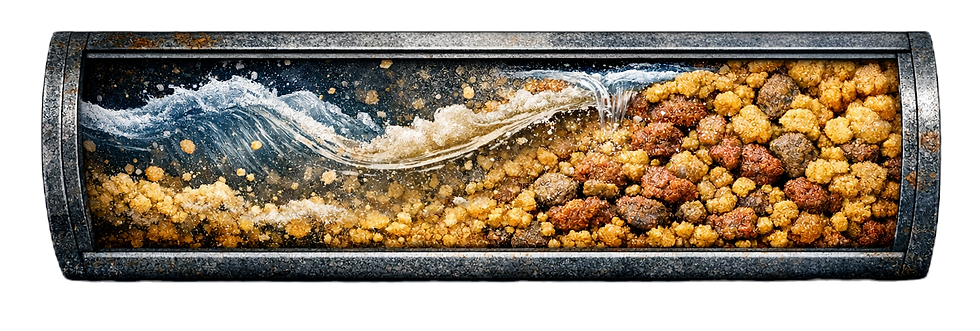
Mineral Buildup



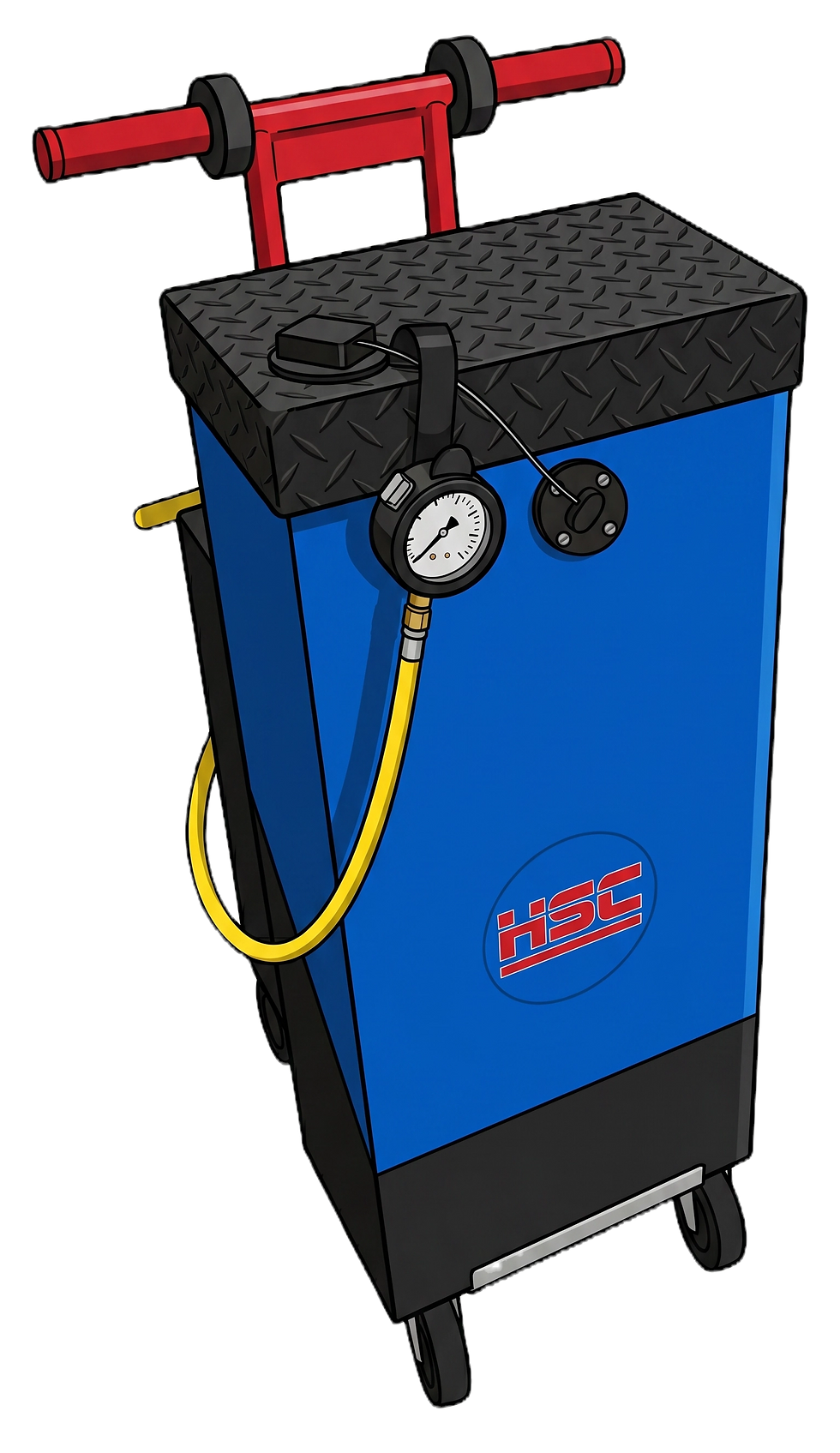
Water Line Cleaner™
Water Line Cleaner™ vacumm's out sediment and common mineral buildup from your faucet’s supply lines to restore strong, consistent pressure.
Its small footprint allows it to operate in areas where traditional equipment simply can’t fit, making it ideal for homes, apartments, high-rises and condos with limited access.
Built for Tight Spaces
-
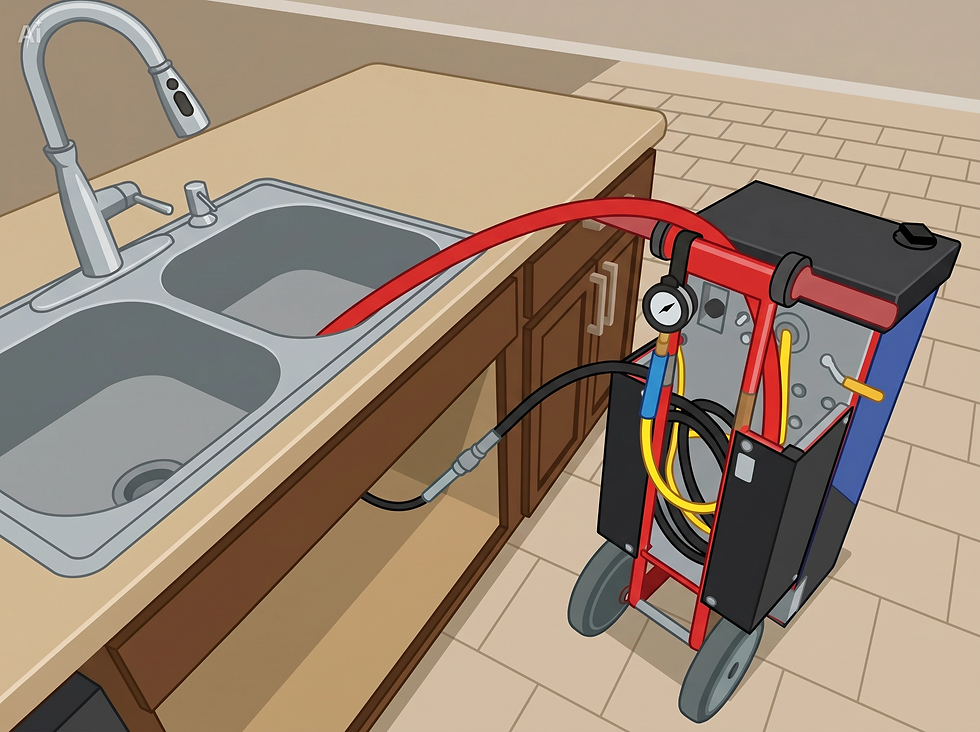
We connect directly to the shower head, faucet, or any exposed valve—no cutting, no holes.
-
Gentle wave cycles loosen and release mineral buildup inside the line.
Vacuumed Out
-
The loosened debris is vacuum‑extracted from the pipe.
-
Once the restriction is cleared, water pressure returns to a strong, consistent flow.
-
Most faucets are fully restored in about 30 minutes.

What You Can Expect the Day of Service
We make the entire process simple, clean, and predictable — whether you’re in a single‑family home, a condo, or a multi‑unit building.
1. Clear Communication
You’ll receive an alert the night before and another the morning of your appointment so you always know when we’re arriving.
Please remove any items from under the sink or off the counter near the fixture we’ll be working on. This gives us clean access and keeps everything protected.
3. Water Stays On
Our service does not require shutting off water to your home or building. Most blockages actually occur after building shutdowns, not from our process.
4. Clean, Cautious Setup
We’re very careful in your home or building. We protect surfaces, wear booties, and keep the work area clean and contained.
5. Fast Service
Most clean‑outs take about 30 minutes per faucet, depending on how much sediment is inside the line.
6. Non‑Invasive Connection
We connect to the best access point — usually a faucet or nearby valve — never opening walls or replacing pipes.
7. Safe for All Plumbing
The process clears internal buildup without damaging pipes, valves, or fixtures. We work in 100‑year‑old buildings every day with excellent results. Read more in FAQ
8. Immediate Improvement
Once cleaning is complete, we test the fixture and confirm restored flow before we leave.
9. Measured Results
Documented before/after pressure readings (Gallons Per Minute)
Common Washing Machine Water Pressure Problems We Fix
Low incoming pressure prevents the washer from filling properly, causing long cycles and poor cleaning performance.
Sediment buildup in the hot or cold supply line restricts flow, slowing the fill cycle.
Internal restrictions reduce the volume entering the washer, even when the faucet or other fixtures seem normal.
Hot‑side lines scale up faster, especially in older galvanized or copper plumbing, reducing flow to the washer.
Cold‑side restrictions often come from debris stirred up during hydrant flushing or municipal work.
hen the washer can’t fill fast enough, it delays the wash cycle and extends total run time.
Many modern washers display flow‑related error codes when pressure is too low to operate correctly.