Chicago Suburbs NWI

Bathroom Water Pressure Restoration
Stronger bathroom pressure. We vacuum out the sediment and common mineral buildup inside your bathroom lines, restoring smooth, steady water pressure. Most bathroom faucets are restored for around $150.
average faucet restored in
30 minutes

Why Bathroom Pressure Drops
Common Causes
-
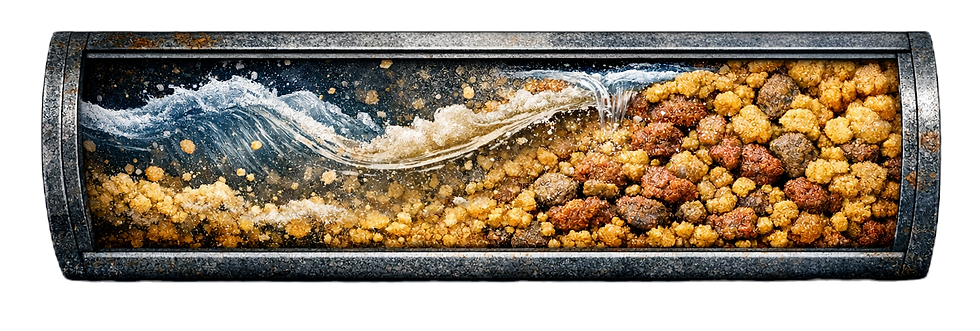
Mineral plaque buildup in the line
-
Sediment accumulation
-
Iron deposits (especially in well‑water homes)
-
Debris stirred up during hydrant flushing
-
Aging galvanized or copper lines scale buildup

Mineral Buildup
Why Us?
Highly trained Water‑Pressure Specialists — all fully vetted and background‑checked

.png)
Restoring Water Pressure
Removing Sediment
-
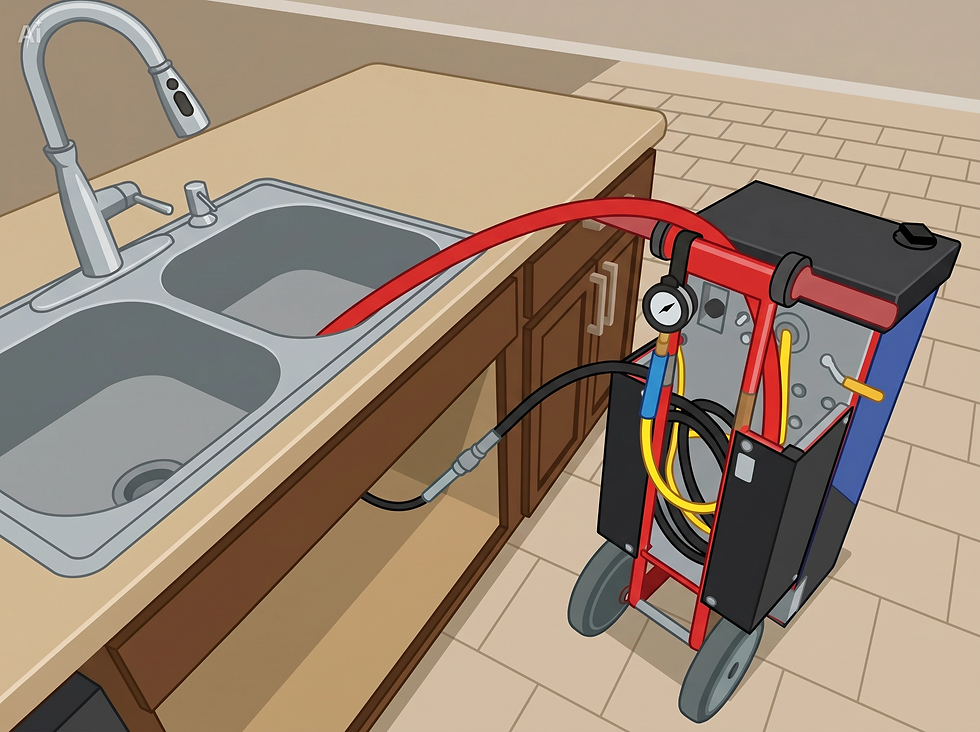
We connect directly to the shower head, faucet, or any exposed valve-no cutting, no holes
-
Gentle wave cycles loosen and release mineral buildup inside the line.
-
The loosened debris is vacuum‑extracted from the pipe.
-
Once the restriction is cleared, water pressure returns to a strong, consistent flow.
-
Most faucets are fully restored in about 30 minutes.
Vacuumed Out

Chicago • Suburbs • NWI
CLEANOUT PRICES
SIMPLE, TRANSPARENT PRICING
FIRST FAUCET
$205
EACH ADDITIONAL FAUCET
$100
AVERAGE PRICE
$150
PER CLEANOUT
Price may vary if excessive sediment requires extended extraction. See details below.
How We Estimate
Base Prices
We are priced to save you money when you do more than 1 faucet during a visit.
-
First Faucet Line Cleanout: $205
-
Each Additional Faucet: $100
Base Prices covers the standard cleanout. Estimated Prices shows how sediment levels can increase the time required for certain faucets. (See Chart).
Estimated Prices
-
Light Sediment - Low Estimate
-
Medium Sediment - Avg Estimate
-
Heavy Sediment - High Estimate - Rare extreme buildup that can reach up to $400 for a single faucet line (Only in severe cases).
-
Most clean-outs fall in the $150-$200 range.

CLEAN-OUT ESTIMATE GUIDE
Approve your estimate by text or email - fast, simple and no suprises.
Cost varies based on severity of buildup, fixture type, and accessibility. We always provide a firm quote before any work begins.
Bathroom Fixtures We Restore
Showers

-
Restore hot and cold pressure
-
Clear mixing valve restrictions
-
Improve flow without removing tile or opening walls

Sinks
-
Remove sediment from supply lines
-
Clean aerators and cartridges
-
Restore even, balanced flow

Bathtubs
-
Clear internal tub spout restrictions
-
Improve fill speed without valve replacement

Toilets
-
Clear sediment from fill lines
-
Restore normal tank refill times
Restore Your Bathroom Water Pressure Today
Fast, clean, non‑invasive — and no pipe replacement





Water Line Cleaner™
Water Line Cleaner™ vacumm's out sediment and common mineral buildup from your faucet’s supply lines to restore strong, consistent pressure.
Its small footprint allows it to operate in areas where traditional equipment simply can’t fit, making it ideal for homes, apartments, high-rises and condos with limited access.
Built for Tight Spaces
-
We connect directly to the shower head, faucet, or any exposed valve—no cutting, no holes.
-
Gentle wave cycles loosen and release mineral buildup inside the line.
Vacuumed Out
-
The loosened debris is vacuum‑extracted from the pipe.
-
Once the restriction is cleared, water pressure returns to a strong, consistent flow.
-
Most faucets are fully restored in about 30 minutes.

What You Can Expect the Day of Service
We make the entire process simple, clean, and predictable — whether you’re in a single‑family home, a condo, or a multi‑unit building.
1. Clear Communication
You’ll receive an alert the night before and another the morning of your appointment so you always know when we’re arriving.
Please remove any items from under the sink or off the counter near the fixture we’ll be working on. This gives us clean access and keeps everything protected.
3. Water Stays On
Our service does not require shutting off water to your home or building. Most blockages actually occur after building shutdowns, not from our process.
4. Clean, Cautious Setup
We’re very careful in your home or building. We protect surfaces, wear booties, and keep the work area clean and contained.
5. Fast Service
Most clean‑outs take about 30 minutes per faucet, depending on how much sediment is inside the line.
6. Non‑Invasive Connection
We connect to the best access point — usually a faucet or nearby valve — never opening walls or replacing pipes.
7. Safe for All Plumbing
The process clears internal buildup without damaging pipes, valves, or fixtures. We work in 100‑year‑old buildings every day with excellent results. Read more in FAQ
8. Immediate Improvement
Once cleaning is complete, we test the fixture and confirm restored flow before we leave.
9. Measured Results
Documented before/after pressure readings (Gallons Per Minute)

Relied on by Leading Property Management Firms
Across Chicago and Northwest Indiana, these organizations depend on our fast diagnostics, transparent communication, and durable water pressure restoration. References available upon request.



"And many more!"
Common Bathroom Water Pressure Problems We Fix
If your bathroom sink has weak flow or barely runs, internal sediment buildup is usually the cause.
Shower pressure drops when mineral plaque or debris restricts the hot or cold supply line.
Sudden pressure loss often happens after hydrant flushing or when sediment breaks loose inside the line.
If multiple fixtures in the bathroom are weak, the restriction is usually in the shared branch line.
Hot‑side lines scale up faster, especially in older galvanized or copper plumbing.
Internal tub‑spout restrictions slow fill times even when the rest of the house has normal pressure.
Sediment in the toilet supply line or fill valve reduces refill speed.

Common Hot Water Temperature Problems in Bathrooms
When hot water never fully heats up at the sink or shower, a restriction in the hot‑side supply line slows the flow so much that the water cools before reaching the fixture.
If the hot line is heavily restricted, the reduced flow prevents the fixture from receiving fully heated water. This is especially common in older galvanized or copper lines with heavy scale buildup.
Blockages further down the hot‑side pipe delay the arrival of heated water, causing long wait times at the sink or shower.
Why Bathroom Hot Water Temperature Drops
When sediment clogs the cartridge, it restricts the hot‑side flow inside the mixing valve, causing lukewarm or cold water even when the water heater is working normally.
Internal mineral plaque or sediment buildup narrows the hot‑side line, slowing the flow and delaying temperature rise at the fixture.
In homes or multi‑unit buildings with recirculation loops, a blocked return line prevents hot water from circulating, causing long wait times and inconsistent temperatures.
When restrictions form lower in the system, upper floors receive weaker hot‑side flow, leading to cooler water and longer delays.